
Build A Racetrack Upgrade Cars for More Cash
Time each vehicle purchase so money per lap jumps without starving your track.
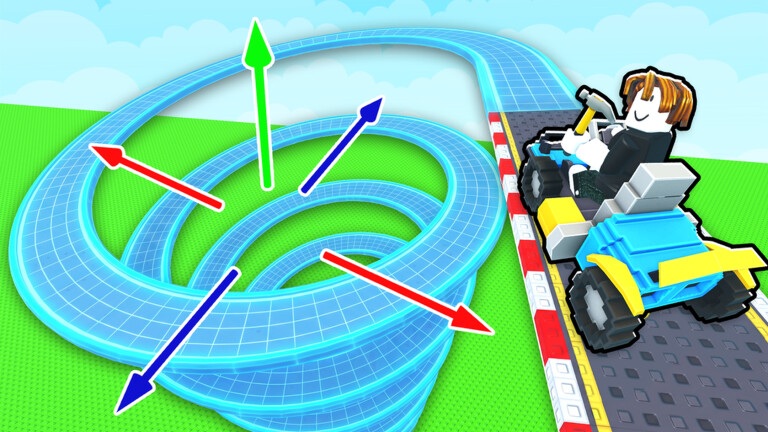
Cars are the long-term multiplier in Build A Racetrack. Fun² Games lets you buy better racecars that earn more money per lap, which accelerates piece shopping, peer-track farming value, and the worth of offline ticks. This guide explains when to upgrade, how to judge shop options when names rotate, and how car speed changes your track design duties.
Rankings by role: Cars Tier List. Hub overview: Tier List. Income channels: How to Earn Money.
What a “better car” actually buys you
- Higher cash payout mindset per successful lap
- Faster clear times on the same layout (more laps per minute if the track still handles)
- Stronger reason to keep offline earnings enabled on a solid course
- New physics responsibilities — jumps tuned for a slow starter may launch a faster car into the void
You are not only buying flex; you are buying economy tempo.
Preconditions before opening the shop
- You can finish your main circuit twice (How to Build a Track).
- You have redeemed RELEASE if it was still available (Codes).
- You keep a small piece-repair buffer (Cash Checklist).
- You know whether today’s bottleneck is reliability or payout.
If reliability is the bottleneck, pieces win. If payout is the bottleneck, cars win.
Decision framework
Ask four questions on every purchase:
- Does the tooltip/UI imply better earnings? If unclear, compare by racing a few laps after buy — or skip flashy unknowns when a clearer mid upgrade exists.
- Time-to-afford? A car forty minutes away is worse than a modest bump you can buy after one peer-farm block in a 6-player server.
- Opportunity cost? Could that cash close a loop extension that raises completion rate instead?
- Post-buy retest cost? Budget five minutes to re-drive jumps/loops after upgrading.
Map options to S–D roles on the Cars Tier List even when exact model names differ after patches.
Starter → mid → late progression
Starter phase
Use the default car to prove a micro oval. Spend code cash on closing the course first (Getting Started). The first paid car should be the cheapest meaningful earnings step, not the poster vehicle.
Mid phase
You have a stable loop and maybe one feature stunt. Mid cars exist to shorten grind cycles. Alternate: peer farm → buy mid car → lightly extend track (Track Pieces).
Late phase
Income is comfortable. Late cars are for pushing multipliers and enjoying spicier layouts. Still avoid bankrupting yourself into a state where one broken piece freezes progression.
After you buy — mandatory retest
Faster cars change:
- Jump distance
- Loop entry stability
- Turn scrub at high speed
- How punishing tiny misalignments feel
Retest checklist:
- Two clean laps
- Jump landings still on deck
- Loop exits controllable
- Peer visitors can still finish (watch a neighbor attempt if possible) (Players)
If the new car broke the course, remodel the stunt — do not immediately buy yet another car to “fix” a geometry problem.
Synergy with offline earnings
Logging off with a premium car on a dead track wastes potential. Logging off with a premium car on a reliable track maximizes the AFK slice. Always end sessions clean (How to Earn Money, Tools).
Shop hygiene and FOMO
Fun² Games may rotate or expand offerings as the experience updates (Updates). Combat FOMO:
- Ignore screenshot flex without payout context
- Do not trust clone-game “best car” lists
- Re-verify on the official place (Official Links)
- Prefer role logic over memorized names
Common upgrade mistakes
- Buying the most expensive car while the starter track still soft-locks
- Skipping mid tiers and idling forever for a legend purchase
- Forgetting to retest jumps after the buy
- Spending the entire RELEASE windfall on a car with zero pieces placed
- Using exploits to spoof cash (Scripts, Script Safety)
Sample purchase timeline (illustrative)
- Redeem code → micro loop
- First cheap earnings car
- Add safe turn extensions + one jump
- Mid car
- Modular length + loop
- Late car when buffer allows
Your minutes will differ; the shape of the timeline matters more than exact clocks.
Controls while shopping and driving
Misclicks in the shop happen on mobile. Confirm prices before purchase. Driving inputs: Controls.
Upgrade cars to buy time — every lap becomes more valuable. Keep the track honest, spend when the multiplier is clear, and retest like a pit crew after each new ride.
Frequently Asked Questions
Quick answers to the most common Build A Racetrack questions.
When should I buy a new car?
When your track is reliably completable and the next car clearly improves earnings without wiping your repair budget.
Do better cars increase offline earnings?
Stronger cars generally make your overall economy — including the value of offline time — stronger, but only if you leave a working track.
Why did my jumps break after upgrading?
Higher speed changes jump distance and loop stability. Retest and adjust pieces after every car purchase.
Should I skip mid-tier cars?
Usually no. Mid upgrades shorten grind time so you reach late cars sooner without huge idle gaps.
Where is the tier ranking?
See the Cars Tier List for S–D style roles focused on progression value.